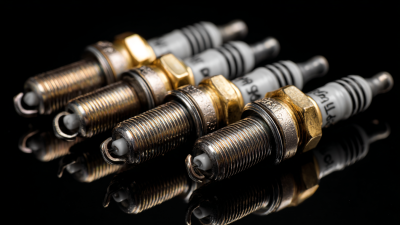
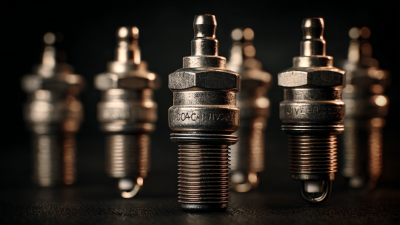
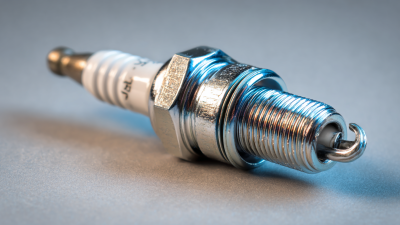
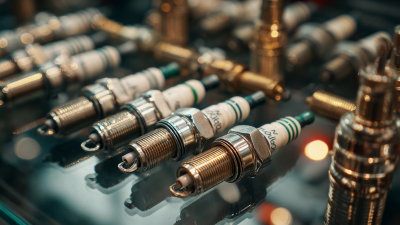
Spark plug wear is actually a pretty big deal when it comes to how well your engine runs and how long it lasts. I read somewhere, like in a report by the American Society of Automotive Engineers (SAE), that the lifespan of spark plugs can really vary. Some might only last around 10,000 miles, while others can go up to 100,000 miles if you're lucky—and depending on what they're made of and how you drive. It’s pretty important for car folks to understand how and why spark plugs wear out if they want to keep their engine running smoothly.
Keeping an eye on things and doing a bit of preventive maintenance can save you from bigger headaches later. Worn-out spark plugs aren’t just annoying—they can cause misfires, mess with your fuel economy, and even up your emissions. A study by Bosch pointed out that if your spark plugs are past their prime, your fuel efficiency can drop by as much as 30%. So, spotting the warning signs early and choosing the right spark plugs, plus keeping up with maintenance, can really help your engine last longer and perform better. In this guide, I’ll share some insider tips about spark plug wear—things that will help you protect your engine and keep it running like new for years to come.
Understanding Spark Plug Wear: Key Indicators to Watch For
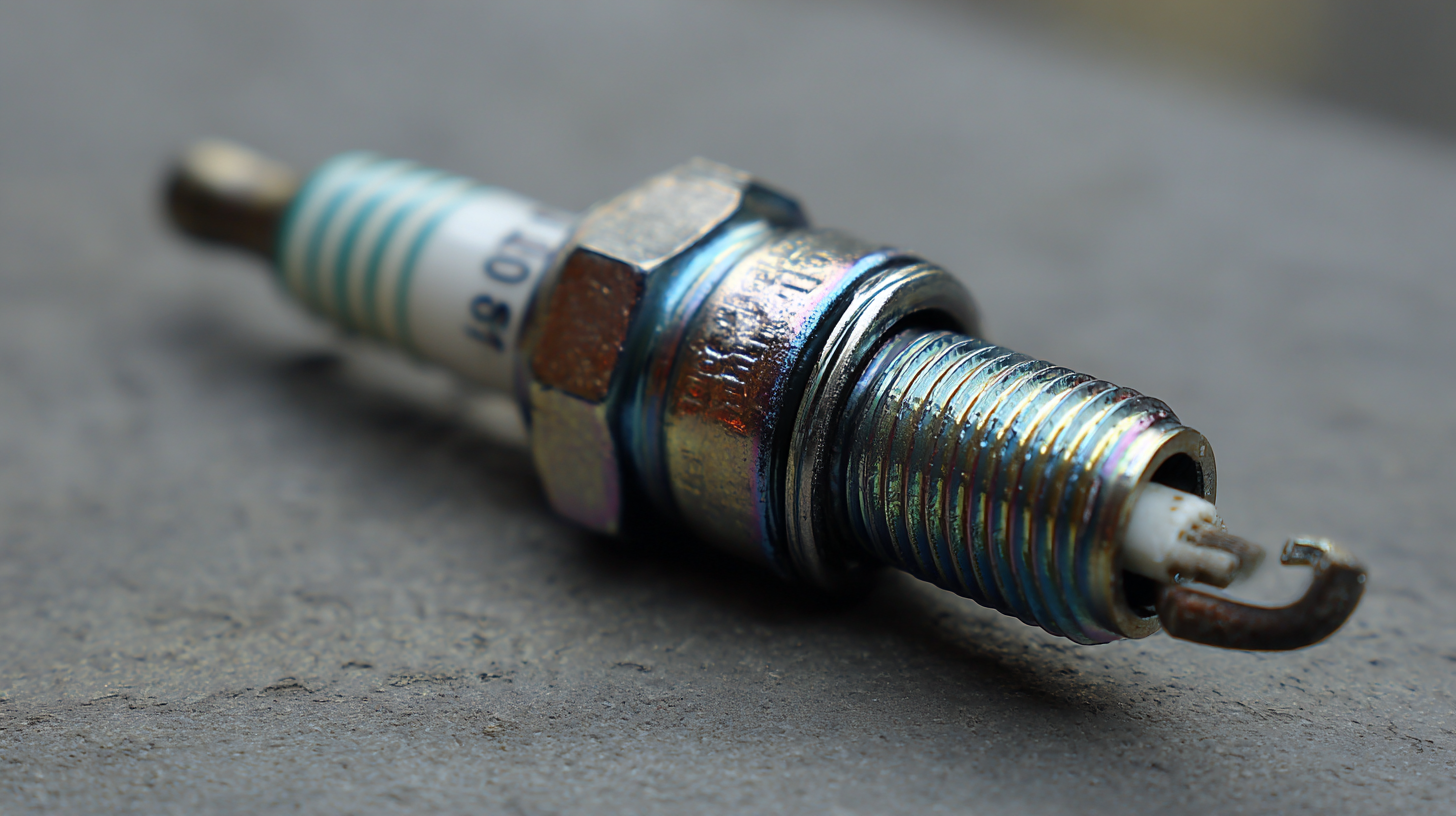
When it comes to keeping your engine running smoothly for the long haul, understanding how your spark plugs wear out is pretty important. These little parts might seem minor, but they actually play a huge role in igniting the air-fuel mix inside your engine. If they’re not in good shape, it can really mess with how your car runs and even shorten its lifespan. So, what should you keep an eye on? Signs like the electrode getting eroded, unusual deposits—like weird colors—or cracks in the ceramic insulator all point to wear and tear. Checking your spark plugs regularly isn’t just about fixing something early; it can actually save you from more pricey engine problems down the line.
Interestingly, recent industry reports have been pointing out that folks are paying more attention to vehicle maintenance these days. The global market for spark plugs is set to hit around USD 23.21 billion by 2034—pretty impressive, right? That tells us people are really focusing on parts that boost performance and efficiency. Plus, taking care of your spark plugs is actually one of the top ten maintenance tips recommended for car owners. When your spark plugs are in good shape, your engine runs more smoothly and you get better fuel economy. So, by catching the signs of wear early and swapping them out when needed, you can help your engine last longer and keep your car running just the way you want it.
Top 5 Causes of Spark Plug Degradation in Modern Engines
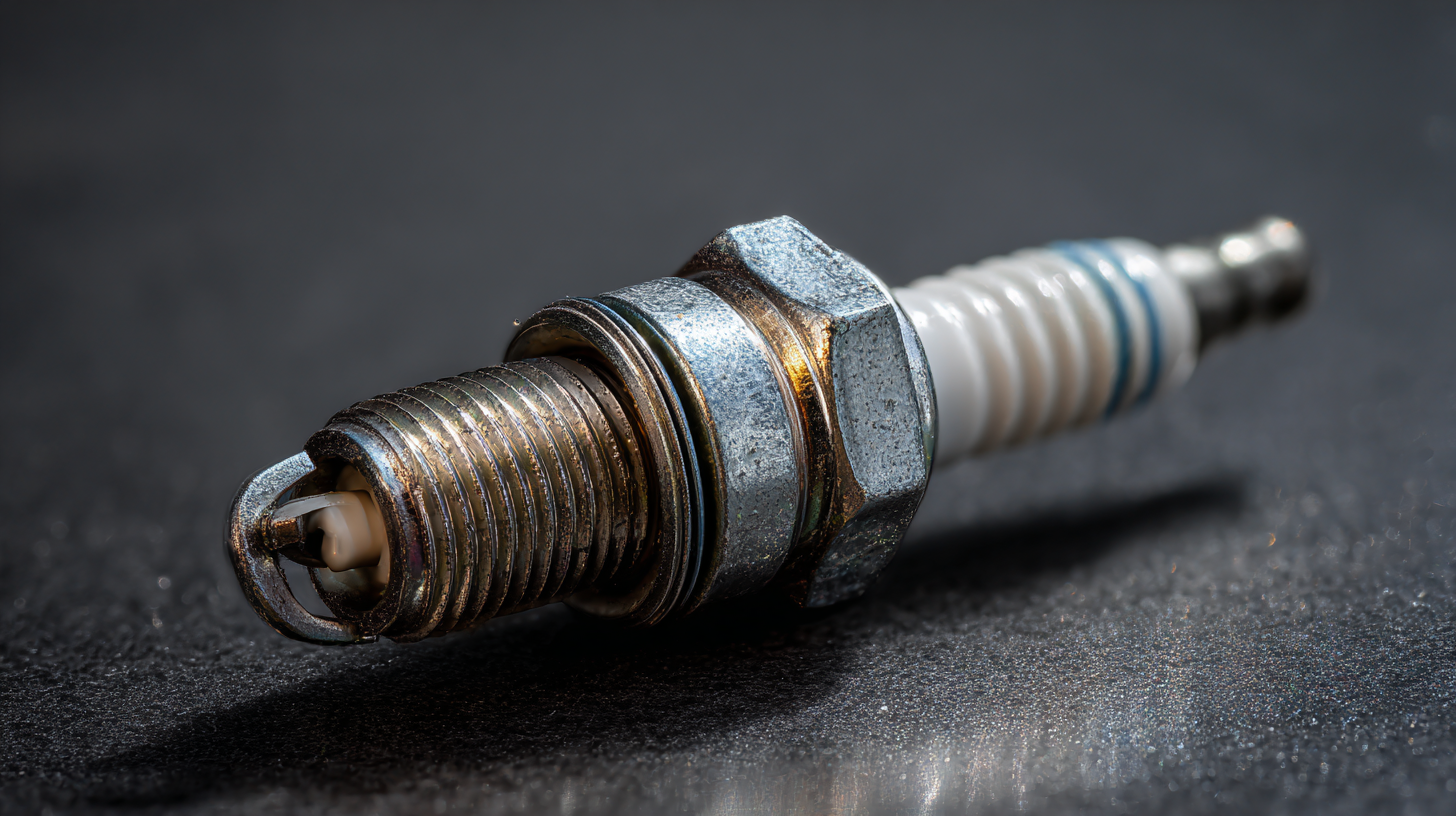 Spark plugs are pretty important when it comes to how well modern engines run, but over time, they tend to wear out — mostly due to a few common issues. Knowing what causes spark plug wear can actually help car owners get more miles out of their engines. For starters, using crappy fuel can be a problem; low-quality gas often leads to carbon buildup, which messes with how well the plugs work. Plus, if the air-fuel mix isn’t just right, it can make the engine run hotter than it should, causing the plugs to wear out faster than they should.
Another big culprit is engine overheating. This can happen if the cooling system isn’t working right or if you’re low on oil. When things get too hot, it not only damages the spark plugs but can also hurt other parts of the engine, leading to bigger issues down the line. That’s why regular maintenance is such a big deal — changing the oil on time, checking the coolant, and so on — these habits really help prevent problems linked to spark plug wear.
And don’t forget, how you drive matters, too. Short trips or lots of stop-and-go driving keep the engine from reaching the right temperature, which means incomplete combustion and faster wear on the spark plugs. Basically, by staying on top of these things, you can keep your engine running smoothly and give your spark plugs a longer life, saving you headaches and money in the long run.
7 Essential Tips for Maintaining Optimal Spark Plug Health
Taking care of your spark plugs is super important if you want your engine to run smoothly and reliably. Honestly, one of the best things you can do is just check them regularly and swap them out when needed, following what your car’s manual recommends. Over time, spark plugs can get coated with carbon deposits or simply wear out, which can cause misfires and burn more fuel than necessary. If you keep an eye on their condition, you can avoid some pretty expensive fixes down the road.
Oh, and make sure you're using the right type of spark plug for your engine. Not all spark plugs are created equal—different engines need specific heat ratings and electrode designs to perform well. Putting in the wrong ones can lead to overheating or weak sparks, which messes with your ride’s performance. Also, don’t forget to clean or re-gap your spark plugs now and then — tiny things like that help keep everything running smoothly. Doing this kind of regular maintenance not only makes your spark plugs last longer but also boosts your engine’s overall vibe. Your car will run more responsive, and you might even save some gas along the way.
The Role of Spark Plug Gap and Its Impact on Engine Efficiency
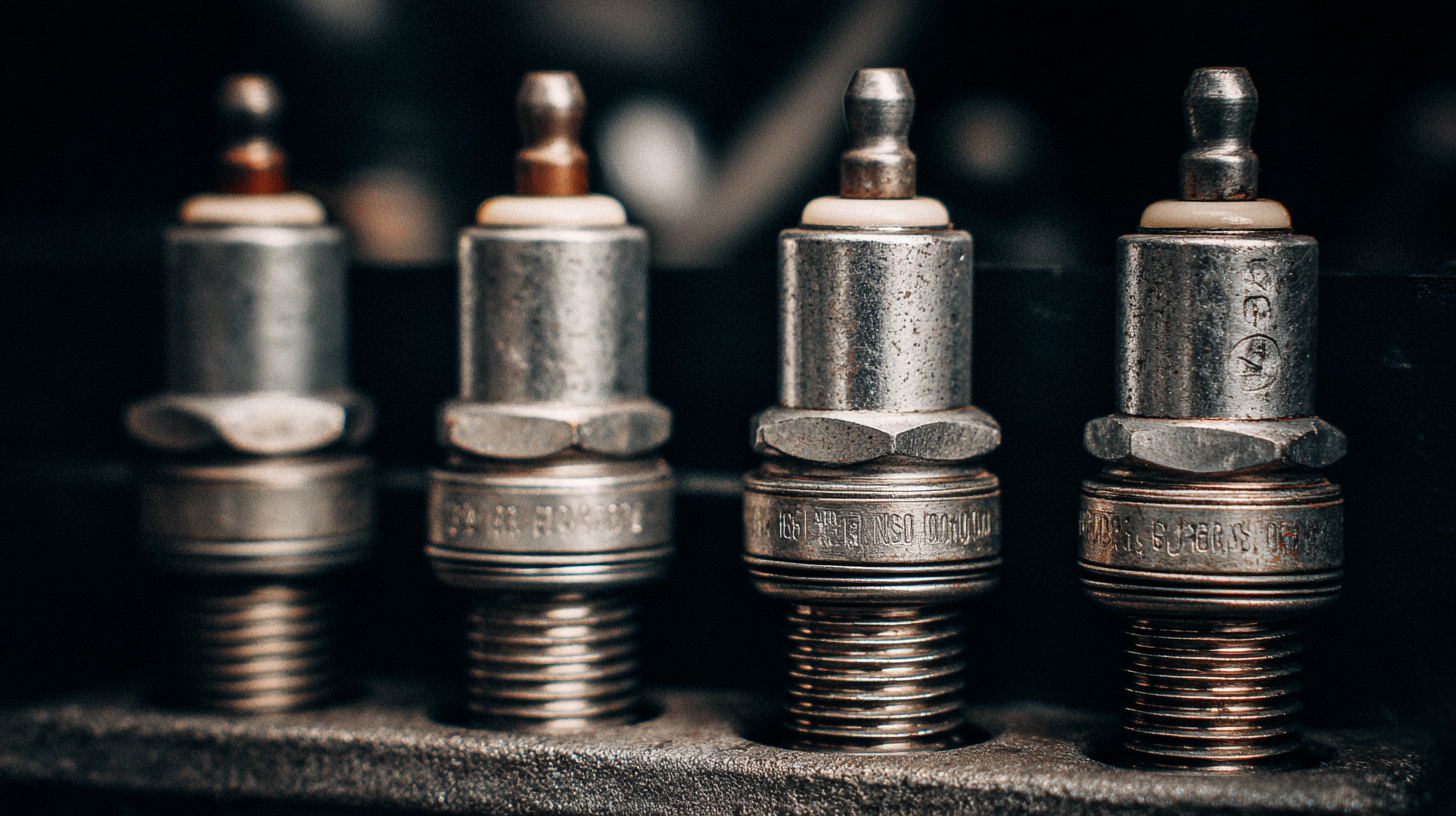
You know, that tiny gap on your spark plug really makes a big difference when it comes to how your engine runs. Getting it just right helps with better combustion, so your car can pack a punch without guzzling gas. When the gap is properly set, your engine tends to run smoother and last longer — it’s kind of like giving your car a little tune-up. Over time, though, the spark plug wears out a bit, and the gap can get wider. That’s when you start noticing issues like misfires, rough idling, or your fuel economy taking a hit. So, it’s a good idea to check and tweak that spark plug gap regularly, even if it sounds like a small thing, it really helps keep your engine in tip-top shape.
On a different note, the market for spark plugs is booming. Experts say it’s gonna grow from around $1.82 billion in 2023 to about $2.18 billion by 2030. That just goes to show how important good spark plug tech is, whether you're a car owner or a manufacturer. At TECHIE Inc., we get it — a reliable ignition system is key, especially for stationary gas engines. That’s why we’ve developed solutions covering over 95% of different gas engine models, making sure our clients get the most out of their machinery. We stay focused on cutting-edge design and using top-quality materials, so that every engine owner can count on durability and peak performance — that’s the goal, after all.
When to Replace Spark Plugs: 4 Signs You Can’t Ignore
When it comes to keeping your engine running smoothly, spark plugs really play a huge role in making sure everything works efficiently. It’s pretty important to know the signs that tell you it’s time to swap them out. According to industry folks, spark plugs usually need replacing somewhere between 30,000 and 100,000 miles, but that really depends on the engine type and how you’re using it. Still, there are four key warning signs you shouldn’t ignore: if your engine is hard to start, if your fuel economy suddenly drops, if you notice misfires, or if acceleration feels sluggish. Catching these issues early can save you a lot of trouble down the line, preventing bigger engine problems and expensive repairs.
Here at TECHIE Inc., we totally get how important a reliable ignition system is—especially for stationary gas engines. We offer a wide range of ignition components that are compatible with over 95% of the big name gas engine brands like GE Jenbacher, MWM, and CAT. Our goal is to help operators keep their engines running at their best. By choosing top-notch spark plugs and paying attention to those warning signs, you can give your machinery a longer life and boost overall efficiency. Regular check-ups and swapping out spark plugs at the right time not only saves money but also keeps your engine healthy and dependable in the long run.
Uncovering the Secrets of Spark Plug Wear: How to Extend the Life of Your Engine - When to Replace Spark Plugs: 4 Signs You Can’t Ignore
| Sign | Description | Recommended Action |
| Rough Idling | Engine runs unevenly at idle or feels shaky. | Inspect and potentially replace spark plugs. |
| Decreased Fuel Efficiency | Noticeable drop in miles per gallon compared to previous figures. | Check spark plugs for wear; replacement may be necessary. |
| Difficulty Starting | Engine takes longer to start than usual. | Evaluate spark plugs; replace if worn. |
| Engine Misfires | Unexpected stalling or skipping while driving. | Inspect for faulty spark plugs; consider replacement. |
Tools and Techniques for Inspecting Spark Plug Condition Effectively
Checking out the condition of your spark plugs is super important if you want your engine to run smoothly and last longer. One handy trick is to use a spark plug tester — it’s a quick way to see if your plugs are firing properly under pressure. Just hook it up to your ignition system and see what kind of spark you’re getting. If the spark is weak or inconsistent, it might be time for a change. And don’t forget, giving them a good visual once in a while isn’t a bad idea either. Look for stuff like carbon build-up, discoloration, or worn-out electrodes — these little signs can tell you a lot about how well your engine is doing.
Another tool I always keep in hand is a torque wrench. It’s important to make sure your spark plugs are installed to the right tightness — not too loose, not too tight. Over-tightening can mess up the threads, and under-tightening might cause performance issues. Also, grabbing a gap tool to check the electrode spacing is a must. If the gap's off, it could mess up your ignition timing and fuel efficiency. If you keep up with these checks and use the right tools, you’ll get a better handle on your spark plugs’ condition, which means a healthier engine and maybe even a bit more miles out of it in the long run.
Maximize Engine Performance with TECHIE Industrial Spark Plugs: A Comparative Analysis of Compatibility in Caterpillar, Cummins, Waukesha, and Jenbacher Engines
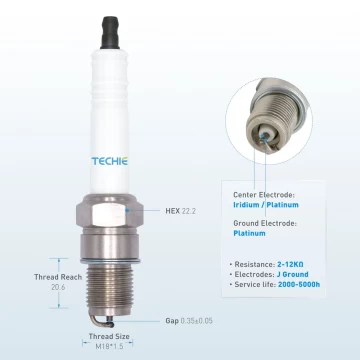
When it comes to maximizing engine performance, selecting the right spark plug is critical, particularly for heavy-duty engines such as those manufactured by Caterpillar, Cummins, Waukesha, and Jenbacher. The TECHIE Industrial Spark Plug stands out as a reliable replacement for the Champion FB77WPCC, specifically designed to enhance compatibility across these prominent engine brands. Its robust construction and advanced materials ensure optimal ignition efficiency and reliability, contributing to smoother engine operation and improved fuel economy.
Key features of the TECHIE Industrial Spark Plug include superior heat resistance and enhanced durability, making it an ideal choice for engines operated in demanding conditions. Whether used in construction machinery, power generation systems, or agricultural equipment, this spark plug offers the versatility needed for diverse applications. The compatibility of the TECHIE spark plug with Caterpillar, Cummins, Waukesha, and Jenbacher engines signifies its engineering excellence, allowing operators to achieve optimal performance with minimal downtime.
Incorporating the TECHIE Industrial Spark Plug into your engine maintenance routine can lead to significant improvements in both power output and engine longevity. By ensuring that your equipment is equipped with the best components, you not only enhance operational efficiency but also safeguard your investment against the wear and tear typical in heavy-duty applications.
FAQS
: Maintaining optimal spark plug health is crucial for ensuring your engine runs efficiently and reliably, preventing misfires and enhancing fuel efficiency.
Spark plugs should be inspected and replaced according to your vehicle’s manufacturer guidelines, typically every 30,000 to 100,000 miles, depending on the engine type and usage.
Using the incorrect spark plug can lead to overheating or insufficient spark, causing performance issues and potentially damaging your engine.
A correctly adjusted spark plug gap ensures optimal combustion, leading to smoother operation, maximum horsepower, and improved fuel efficiency.
Key signs include difficulty starting the engine, poor fuel economy, engine misfires, and reduced acceleration. These issues should be addressed promptly to avoid further damage.
Regularly check and adjust the spark plug gap, and clean or regap your spark plugs periodically to maintain optimal performance and extend their lifespan.
Using high-quality spark plugs and paying attention to their maintenance significantly enhances overall engine performance, leading to increased reliability and productivity.
Industries relying on stationary gas engines, such as power generation and manufacturing, benefit greatly from optimized spark plug technology to maintain peak performance.
The spark plugs market is expected to grow from $1.82 billion in 2023 to $2.18 billion by 2030, highlighting the increasing importance of spark plug technology for consumers and manufacturers.
Regular maintenance and timely replacement of spark plugs not only prevent costly repairs but also promote overall engine reliability, ultimately saving costs in the long run.
Conclusion
Getting a good handle on spark plug wear is pretty important if you want your stationary gas engines to keep running smoothly. Watch out for signs like weird discoloration, buildup of deposits, or odd wear patterns—that's usually a sign the plugs are getting tired. Nowadays, a lot of spark plug trouble comes from stuff like bad fuel quality, messing up the air-fuel mix, or the engine running too hot. To keep everything in top shape, it's a smart move to do regular checks, clean things up, and, yeah, make sure to adjust the spark plug gap now and then. Those simple steps can really help your engine last longer and run better.
And of course, knowing when to swap out those spark plugs is just as important. If your engine isn’t performing like it used to, it’s misfiring, or your fuel economy starts to drop, those are red flags. Using the right tools and techniques to check on your spark plugs can make all the difference—you’ll catch problems early before they turn into bigger headaches. At TECHIE Inc., we’re all about giving you the right ignition systems and support to help manage spark plug wear and extend your engine’s life. We get it—keeping your machines running smoothly is key, and we’re here to help every step of the way.